Because I Know You Don't Read the Newspaper, Wiki
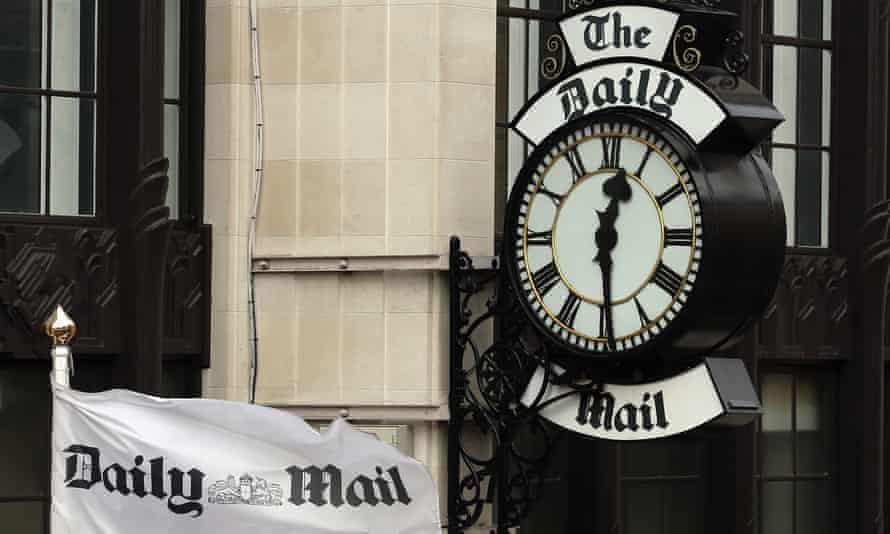
Wikipedia editors have voted to ban the Daily Mail as a source for the website in all but exceptional circumstances subsequently deeming the news group "generally unreliable".
The motility is highly unusual for the online encyclopaedia, which rarely puts in place a blanket ban on publications and which still allows links to sources such every bit Kremlin backed news organisation Russian federation Today, and Fox News, both of which have raised concern among editors.
The editors described the arguments for a ban as "centred on the Daily Mail's reputation for poor fact checking, sensationalism and flat-out fabrication".
The Wikimedia Foundation, which runs Wikipedia just does not control its editing processes, said in a statement that volunteer editors on English Wikipedia had discussed the reliability of the Mail since at least early 2015.
It said: "Based on the requests for comments department [on the reliable sources noticeboard], volunteer editors on English Wikipedia take come to a consensus that the Daily Mail is 'by and large unreliable and its utilise as a reference is to be generally prohibited, specially when other more than reliable sources exist'.
"This means that the Daily Mail volition generally not be referenced as a 'reliable source' on English Wikipedia, and volunteer editors are encouraged to change existing citations to the Daily Post to another source deemed reliable by the customs. This is consistent with how Wikipedia editors evaluate and use media outlets in general – with common sense and caution."
The proposal was fabricated past an editor known as Hillbillyholiday early on in January, and fellow editors had weighed in with arguments for and against the ban over the by calendar month. Those who opposed the move said the Daily Mail was sometimes reliable, that historically its record may have been improve, and that there were other publications that were besides unreliable.
Some of those who opposed the ban also pointed to inaccurate stories in other respected publications, and suggested the proposed ban was driven by a dislike of the publication.
Of the more than 90 editors who contributed to the discussion, 58 expressed back up for the ban, however the final conclusion was taken past editors designated as "closers", who are authorised to enact consensus decisions.
Summarising the give-and-take, a Wikipedia editor wrote: "Consensus has determined that the Daily Mail service (including its online version dailymail.co.uk) is generally unreliable, and its use as a reference is to exist more often than not prohibited, especially when other more than reliable sources exist. As a result, the Daily Mail should not be used for determining notability, nor should it be used every bit a source in articles. An edit filter should be put in place, going frontward to warn editors attempting to use the Daily Mail every bit a reference."
The movement is probable to stop brusque of prohibiting linking to the Daily Mail, as at that place volition be instances, such as when a Wikipedia entry is well-nigh the newspaper or one of its writers, when the editors believe a link is necessary. Instead a system for flagging whatsoever uses of the newspaper as a source will be introduced, asking editors not to utilise it and discover alternatives.
The editors have also asked for volunteers to review almost 12,000 links to the Daily Post already on Wikipedia and replace them with alternative sources wherever possible.
The conclusion by Wikipedia comes among widespread debate over the rise of fake news, which has widened to include concerns about misleading information in traditional publications. A recent BuzzFeed assay claimed that there was "picayune appetite" for completely fabricated "faux news" in the Uk because the land already had a highly partisan printing.
Wikipedia was prepare in 2001 by Jimmy Wales and Larry Sanger and has become one of the nigh popular websites in the world. Information technology allows anyone to make edits, sometimes leading to instances of false entries and vandalism of pages, only is policed by thousands of people who regular weed out deliberate and adventitious errors.
The site's rules on reliable sources land: "Wikipedia manufactures should be based on reliable, published, sources, making sure that all majority and significant minority views that accept appeared in those sources are covered ... If no reliable sources can be found on a topic, Wikipedia should non accept an commodity on information technology."
A spokesman for Mail Newspapers said that only a tiny portion of the site's millions of anonymous editors had been involved in the conclusion, adding: "It is difficult to know whether to laugh or weep at this move by Wikipedia. For the record the Daily Post banned all its journalists from using Wikipedia every bit a sole source in 2014 because of its unreliability.
"Last year, the Daily Post and MailOnline together published more than half a million stories and yet received just two upheld adjudications each for inaccuracy from the United kingdom of great britain and northern ireland industry's regulator IPSO.
"All those people who believe in freedom of expression should be profoundly concerned at this cynical politically motivated attempt to stifle the free press."
- This article was updated on nine February to include the Mail service Newspapers' response
.
lockhartagnat1998.blogspot.com
Source: https://www.theguardian.com/technology/2017/feb/08/wikipedia-bans-daily-mail-as-unreliable-source-for-website

Post a Comment for "Because I Know You Don't Read the Newspaper, Wiki"